Showing posts with label Nutrition. Show all posts

Friday, May 24, 2013

Wright Students Get Nutritious!


 Every year, students within the CalSERVES program participate in what we call Nutrition Olympics. They spend the afternoon playing games designed to help them learn new facts about fruits, veggies and healthy lifestyle choices.

This year, the students at Wright Charter got even more involved in the fun. During “Pepper Push Relay” students had to find creative ways to roll a pepper to the finish line. “Celery Javelin” found our students seeing how far they could throw the celery “stalk.” Even the Middle Schoolers had fun “Citrus Relay” where they raced to see which team could fill up their baskets the fastest.


Overall, Nutrition Olympics was another successful event for Wright Charter!

Monday, December 10, 2012

The Golden Bell Visits Meadow View


CalSERVES recently received the Golden Bell Award, a national recognition of exemplary programs in 22 major categories, which are essential to support teaching and learning. Our award is for our efforts in nutrition promotion and physical activity.


The Golden Bell went on tour to our local programs, during a fitness week where students participate in a variety of sports and games, nutrition art activities, a mile run, wear pedometers, and engage in various nutritional discussions. Perfect timing!


On December 6th, the Golden Bell came to Meadow View Elementary. Students learned about our award, posed for a picture, and each got a chance to ring the large, golden, trophy bell. Students commented, “Wow, it’s heavy!” “Do we get to keep it?” “That is a loud award.” One fourth grade boy told me, “Congratulations on the award, Ms. Kim. That is really special.” What a fitting end to our fitness week!


 By Kimberly Copperberg, Site Supervisor at Meadow View Elementary

Tuesday, June 26, 2012

Meadow VIew Summer Gardening

We’ve finally reached the end of the year but the Meadow View garden will still be in action all summer, thanks to the help of several dedicated families who have agreed to continue volunteering over the summer.


Since the beginning of the year, Meadow View has hosted monthly garden workdays where families were invited to come out and help in the garden while we entertained their children with fun gardening projects. Things have gone so well that we decided to see if any parents would be on board to help over the summer and to our surprise, many said “Yes!” Currently, we have about twelve families that are helping in various capacities.


For example, one parent has been instrumental in getting our irrigation system up and running. He’s installed drip systems in our new beds and programmed a brand new irrigation timer that was purchased using grant money. Another parent brings out his weed eater and clears out the masses of weeds Meadow View seems to attract every few months. Some parents have adopted one or more of our six beds, which are all organized according to themes, and they are responsible for planting the seeds and maintaining the space. Any produce is up for grabs for all the families.


We never thought the garden would grow into such a successful project and know that it would not have been possible without the help of several dedicated mentors and families. Although we’re still in the beginning phases and there is still a ton to do, we have a good, solid start to a productive summer.

Holly Cumbie, AmeriCorps VIP Fellow

Friday, May 11, 2012

Having Fun with Fruits and Veggies


This month, Wright held its annual Nutrition Olympics. Every year, students participate in activities geared toward learning fun facts about fruits and vegetables. Normally, the mentors lead the students in activities similar to fitness centers, but this year, members at Wright Charter took it to another level. Decked in fruit and vegetable costumes, they headed out to lead centers like Cucumber Javelin and Carrot Hop. The students cheered in excitement when they saw their mentors in costumes, which got them more interested in the games they were playing. Some students even wanted to get in on the action and wear costumes too. By the end of the event, students were asking “Can we play Coconut Bowling every Wednesday??” It was another successful event for Wright Charter. 


Friday, March 30, 2012

2012 Cesar Chavez Health Fair

Tomorrow is our annual Cesar Chavez Health Fair. It will be amazing, so come on down and join us!


Meadow View Elementary School
2665 Dutton Meadow Ave, Santa Rosa, CA. 95407
Saturday, March 31, 2012 from 10am - 2pm

The day will be filled with entertainment, games and activities for the whole family, free food, and many services offered to the community free of charge. These services include:
  • Free Dental Screenings for Children
  • Blood Pressure Checks
  • Blood Sugar Checks
  • Cholesterol Screenings
  • HIV Testing
  • Personal Health Records
  • Body Mass Index Screenings and Referrals
  • Opportunities to ask Doctor's your Health Questions
  • Over 5,000 pounds of free food donated by the Redwood Food Bank
  • Free Healthy Snacks
  • Free Hair Cuts 
  • Over 60 organizations with information about services in the area
  • Bike Rodeo for kids, including safety checks and helmets


Friday, March 16, 2012

CalSERVES CANstruction!


CalSERVES participated in the annual "CANstruction: Make Food into Art Contest" held at Coddingtown Mall in Santa Rosa, CA. Over 10,000 cans of food were used in making this year's displays, and all of the canned items will be donated to the Redwood Empire Food Bank to feed over 78,000 people!

The display is currently up at Coddingtown Mall, and the People's Choice awards are still open for votes through Saturday,  March 17th. Come on down and vote for your favorites... especially if it's the CalSERVES display!

Thanks to all the amazing folks who made this year's fabulous art!


Tuesday, January 31, 2012

Super Snack Love

Before I became an After School Team Leader, I knew that one of my main responsibilities would be providing snack for the students. This year we started something brand new, the supper program. When I initially heard about the change I grew extremely nervous. Not only did the amount of food we had to provide change but it also changed the amount of time it would take for me to get everything ready. My fears were soon dismissed and over the past 4 months I have grown to absolutely love the supper program. It really allows for us to provide our students with many healthy options, and to ensure that they will go home feeling full.

When we began the supper program, my co-partner Ms. Rafalow and I realized how hard it was for just the two of us to hand out all of this food to 150 students. We brainstormed on how we could make the process as easy as possible, but the answer didn’t come from us - it cam from our students. We realized that our students wanted to be part of the process with us, so I developed a schedule in which different students from each grade are able to help us pass the food out each day.

Passing out Supper at Wright.
At first I wasn’t sure how many students would actually want to help us, but it has become very popular in the after school program. I have students who ask me during regular school if they can be my helper for snack. One day I even had a student cling to my leg and refused to let go until I told him he could help me. Many of our students also help us clean up snack and we have developed a very successful recycling system that students enjoy helping with as well.

Seeing my students want to help us is what has allowed for me to enjoy the supper program as much as I do. Seeing them enthusiastic to pass out food to their peers has given me the momentum I need everyday to ensure that the supper program is successful.

By Stacey Krywaruczenko, AmeriCorps Team Leader at Wright Charter School

Friday, December 16, 2011

Healthy Food for Families

Fresh produce from the Redwood Empire Food Bank.
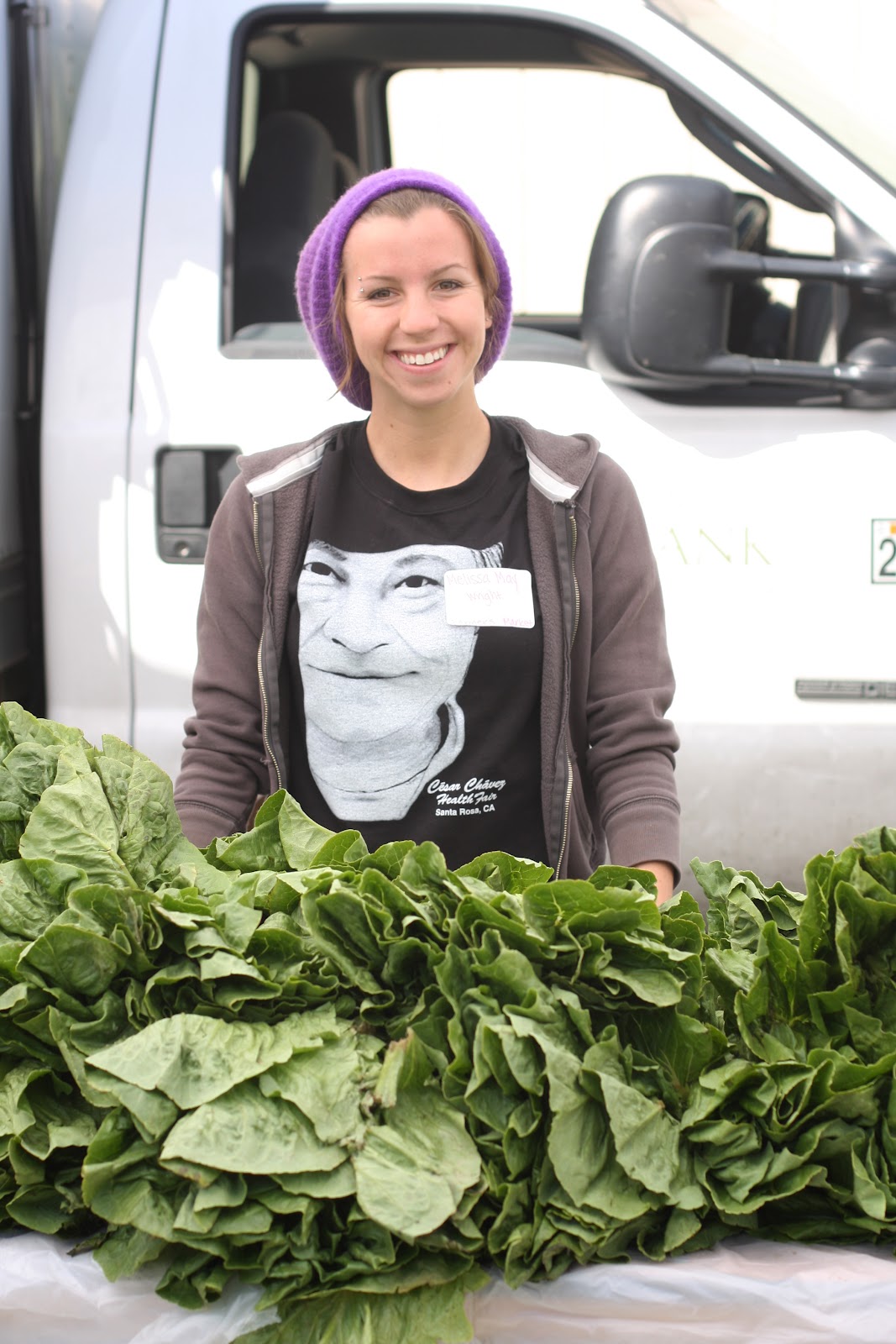
Every Friday I go to the food bank and get hundreds of pounds of fruits and vegetables to give out to the families. This past Friday I got over 600 pounds of produce. I picked up 150 boxes of strawberries (1 per family), 200 pounds of potatoes, broccoli, brussel sprouts, and celery. In the past I have also gotten sweet potatoes, carrots, parsley, green onions, apples, oranges, asian pears, and more. Although I do this every Friday, the parents still ask me how much I am charging for the produce. The families are relentlessly shocked and grateful for the copious amounts of fruits and vegetables I provide.

This is by far one of the most rewarding things I have a chance to do. Giving healthy food for the families to put on the dinner table, and knowing that my students aren’t going to go hungry tonight- that’s all the thanks I need.

by Melissa Collins, VIP Fellow at Kawana Elementary School

Monday, May 23, 2011

2011 Cesar Chavez Health Fair Report


Healthy Eating and Active Living

'This is a great event and I hope to be able to take part in it for many years to come!” 
Silvia Floriano, Health Fair Participant

The 2011 Cesar Chávez Day Health Fair at Roseland Elementary School drew over 3,300 attendees and 63 participating community organizations.


Health Fair Highlights
  • Dental Screenings: St. Joseph’s Medical Center screened 104 children for tooth decay, finding 31 children who needed dental care and 6 of those children presenting urgent dental needs.
  • Vaccines: Sonoma County Public Health provided Tdap (Whooping Cough) vaccines to 219 children, ages 10-18, as well as to 89 adults.
  • Blood Pressure, Blood Glucose, and Cholesterol Screening: St. Joseph’s Medical Center provided blood pressure, diabetes, and cholesterol screenings to 59 individuals, issuing 50 referrals for follow up care.
  • Asthma Screenings: Community Action Partnership provided 15 Asthma screenings.
  • BMI Testing: Nursing students from Sonoma State University provided 17 Body Mass Index (BMI) screenings for families.
  • Free Healthy Foods: The Redwood Empire Food Bank donated over 5,000 pounds of fresh produce and free healthy snacks were also served.
  • Free Bike Helmets and Repairs: Safe Routes to School and AmeriCorps volunteers fitted 160 donated bicycle helmets, and NorCal Cycling repaired 125 bikes at the Health Fair.
  • Free Hair Cuts: More than 80 hair cuts were provided by community volunteers.

 Active Living
  • Kaiser Permanente’s Community Theater Troupe led the Kids Course, an interactive obstacle
  • course for kids that helps make fitness fun.
  • Boy Scouts of America provided a Rock wall that had the whole community up and climbing!
  • Obstacle Course Playhouse and other fun games encouraged children to stay active and have fun.

Local Representatives in Attendance
  • Efren Carrillo, Supervisor, County of Sonoma
  • Ernesto Olivares, Mayor of Santa Rosa
  • Susan Gorin, Santa Rosa City Council

 Entertainment
  • Windsor Bloco provided dancing and drumming.
  • Aztec Dance Troupe performed traditional dances.
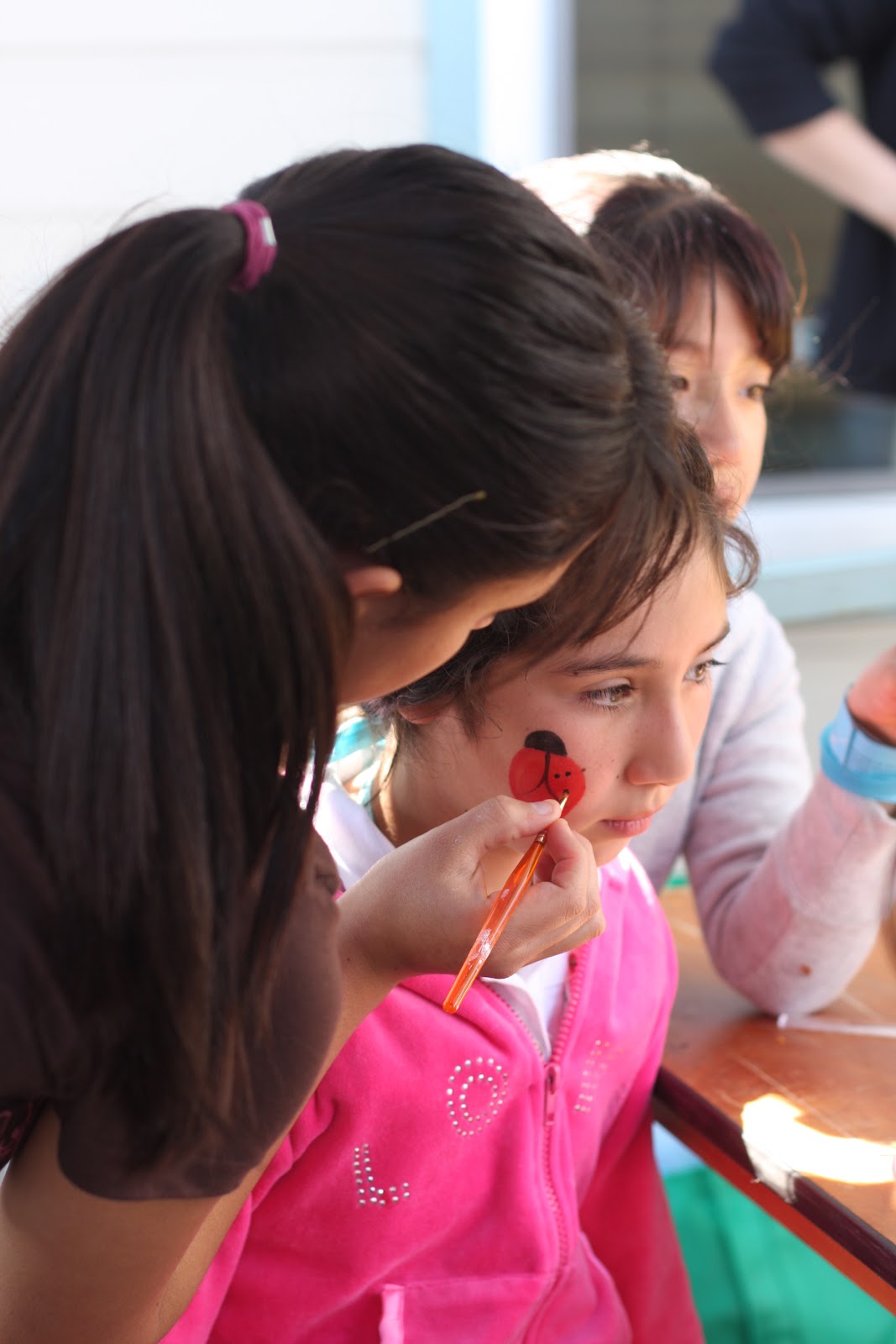
  • Face-painting, magic shows, and balloon animals delighted fair attendees.

AmeriCorps
121 AmeriCorps members from the CalSERVES program, West County Community Services, and the North Bay Conservation Corps came to support this event. AmeriCorps members led activities for children, served as support to the health care providers and as translators for families.


Sponsors, Donors and Volunteers
The Fair organizer is CalSERVES, an educational program based at the Napa County Office of Education. Primary sponsors of the 2011 Health Fair include First 5 Sonoma County, Kaiser Permanente, St. Joseph’s Health System, Redwood Credit Union, and Community Action Partnership. Additional Fair sponsors included Redwood Empire Food Bank, Safe Routes to School, NorCal Cycling, Santa Rosa Police Department, Roseland Elementary School, Radio Lazer, La Fondita Restaurant, and Clover Stornetta. Many businesses and agencies in the community came together to support the event, including 25 community organizations that donated goods and services worth over $6,000. Over 452 health providers, community volunteers, and AmeriCorps members provided 2,159 volunteer hours in support of the event.

Tuesday, May 10, 2011

News from Meadow View

Tutoring Testimonial
Ms. Webb, Literacy Tutoring Specialist

“When I first tutored Javier, a first grader, he was using level one readers and he often didn’t speak to me in fully developed sentences. He and I spent about five to ten minutes daily reviewing his sight words. During that time, he and I would alternate turns coming up with silly or serious sentences involving the respective words. [Now on level six, Javier’s growth is seen in reading comprehension and in communication skills.] I think the activity increased his comfort level with language and it was a traceable method for him to see his growth. The stack we have is broken up in groups of about fifteen words, so Javier is passes one level by correctly identifying the words in the current section. It is an empowering activity and can add a little fun to every lesson.”


Graffiti Education Presentation
Mr. Sparks, Fourth Grade Mentor

“Graffiti is done without permission and is not art.” This was the core message Georgia Pedgriff, of the Santa Rosa Police Department spread to the upper grader students at Meadow View Elementary. The kids played an exciting trivia game that taught them the negative impacts that graffiti has in our community. The students walked away in support of eliminating graffiti by reporting known tags and helping to clean up existing ones within 24-48 hours. The overlying message was to keep our school campus and community a safe, clean environment.


Nutrition Olympics
Ms. I, Third Grade Mentor and Nutrition Specialist

In the week of April 11th-15th, Meadow View students experienced the combination of nutrition and physical education in the form of “Nutrition Olympics.” What is that exactly? Nutrition Olympics is kid friendly “Olympic” sporting events that involve fruit and vegetables in lieu of balls or pucks to help test their motor skills. Events include the Berry Relay, Apple Toss, Cucumber Javelin, Potato Sack Races, and the particularly popular Pepper Toss.

During the events, the kids learned about different facts of the fruit or vegetable of that station. The variety of events helped keep the kids entertained and engaged while they were educated about the importance of nutrition and making healthy choices. Was it successful? Let’s see what the students said.
“That was so much fun!” –Morelia, 3rd grade
“I don’t want to stop!” –Justin, 5th grade

Friday, May 6, 2011

My Garden, a 2nd Grade Poem

My Garden
By Alondra, 2nd Grader at Meadow View Elementary

My garden is green.
My garden is clean.
My garden has a lot of things in the spring.
In spring flowers grow and grow beautiful.
I plant cherries and berries and I eat them at end.
“Mmmmm, delicious,” said my brother.

Tuesday, February 15, 2011

What's Cookin'? Tuesday - Brown Rice Pilaf

The CalSERVES Nutrition Program brings you What's Cookin'? Tuesdays! The theme for February is dried fruit.
 
Reasons to Eat Dried Fruits
One serving of most dried fruits provides:
  • A source of dietary fiber (e.g., dates, dried figs, dried plums, raisins).
  • Potassium, which the body needs to maintain muscle contractions and a healthy nervous system (e.g., dried plums, raisins).
  • Iron, an essential mineral for maintaining the delivery of oxygen throughout the body (e.g., dried figs, raisins).
  • A source of calcium, Vitamin A, Vitamin C, B-complex vitamins and magnesium (e.g., dates, dried figs, dried plums, raisins).
Dried Fruit History
  • Athenians, including Plato, referred to themselves as “philosykos,” which translates to “friend of the fig.”
  • After his failed gold mining venture, Frenchman Louis Pellier introduced Californians to dried plums at his Santa Clara Valley nursery in 1856.
  • Raisins are noted in ancient writings as far back as 1490 B.C.E., but it wasn’t until 1876 when Scottish immigrant William Thompson developed a seedless grape variety in the San Joaquin Valley that the raisin industry was launched.
  • Early USDA explorer Bernard Johnson became the “father of the California date industry” when he established a research station near the desert town of Mecca in the late 1880s.
For historical timelines, visit: www.harvestofthemonth.com

Brown Rice Pilaf with Sage, Walnuts and Dried Fruit
Serving Size: 1/8 of recipe
Yield: 8 servings

Ingredients:
as needed canola cooking spray
1 medium onion, chopped
1 medium stalk celery, ends trimmed and chopped
2 cups brown rice, uncooked
2 1/2 cups water
2 cups fat-free vegetable broth, reduced sodium
1/4 cup dark raisins
1/4 cup dried apricots, chopped
4 cup chopped walnuts (optional)
1 teaspoon dried sage
2 Tablespoons fresh sage, chopped
salt, to taste
pepper, to taste


Instructions:
  1. Spray the large skillet with canola cooking spray. Heat skillet over medium heat.
  2. Sauté onion and celery until tender, about 5 minutes. Add brown rice and sauté for 5 minutes.
  3. Add water, broth, raisins, and apricots; heat to boiling. Reduce heat to low, cover and simmer until rice is tender and liquid is absorbed, about 50 minutes.
  4. Stir in walnuts if desired, sage, salt and pepper.
  5. Transfer to serving dish. Garnish with fresh sage and serve immediately.
Cost:
Per Recipe: $ 3.03
Per Serving: $ 0.38

Calories 220, fat 1.5g, sodium 130mg, sugar 3g, protein 5g

Tuesday, February 8, 2011

What's Cookin'? Tuesday - Oat Bran Muffins

The CalSERVES Nutrition Program brings you What's Cookin'? Tuesdays! The theme for February is dried fruit.
Dried Figs
Serving Size: • cup (40g)
Calories 113 Calories from Fat 2
% Daily Value
Total Fat 0g 0%
Saturated Fat 0g 0%
Trans Fat 0g
Cholesterol 0mg 0%
Sodium 5mg 0%
Total Carbohydrate 26g 9%
Dietary Fiber 5g 20%
Sugars 20g
Protein 1g
Vitamin A <2% Calcium 6%Vitamin C <2% Iron 6%

Dried Plums
Serving Size: • cup (40g)
Calories 110 Calories from Fat 0
% Daily Value
Total Fat 0g 0%
Saturated Fat 0g 0%
Trans Fat 0g
Cholesterol 0mg 0%
Sodium 5mg 0%
Total Carbohydrate 26g 9%
Dietary Fiber 2g 10%
Sugars 13g
Protein 1g
Vitamin A 5% Calcium 2%Vitamin C 4% Iron 3%


Oat Bran Muffins
Serving Size: 1/12 of recipe
Yield: 12 servings 

Ingredients:
2 1/4 cups oat bran
1/4 cup firmly packed brown sugar
1 1/2 teaspoon cinnamon
1 Tablespoon baking powder
1 mashed banana
3/4 cup applesauce
2 Tablespoons raisins, dates, or other dried fruit
1 egg
1/2 cup orange juice
3/4 cup nonfat milk
2 Tablespoons canola oil

Instructions:
  1. Preheat oven to 425 degrees.
  2. Mix the first four dry ingredients. Set aside. Mix the egg with orange juice, milk and oil. Mix fruit and blend with dry ingredients.
  3. Add the liquid ingredients to the dry until it is moist.
  4. Spray muffin tin with a non-stick coating. Pour batter into muffin tins.
  5. Bake for 15-17 minutes. Remove muffins from pan after 10 minutes. Cool on a rack. Freeze muffins for later use. 

Cost:
Per Recipe: $ 2.76
Per Serving: $ 0.23
Calories 120, fat 4g, sodium 140mg, sugar 10g, protein 4g

Tuesday, February 1, 2011

What's Cookin'? Tuesday - Trail Mix

The CalSERVES Nutrition Program presents "What's Cookin' Tuesdays! February's theme is Dried Fruit.

Nutrition Information: Raisins
Serving Size: • cup (40g)
Calories 130 Calories from Fat 0
% Daily Value
Total Fat 0g 0%
Saturated Fat 0g 0%
Trans Fat 0g
Cholesterol 0mg 0%
Sodium 10mg 0%
Total Carbohydrate 31g 10%
Dietary Fiber 2g 8%
Sugars 29g
Protein 1g
Vitamin A <2% Calcium 2%Vitamin C <2% Iron 6%


Nutrition Information: Dates
Serving Size: • cup (40g)
Calories 120 Calories from Fat 0
% Daily Value
Total Fat 0g 0%
Saturated Fat 0g 0%
Trans Fat 0g
Cholesterol 0mg 0%
Sodium 0mg 0%
Total Carbohydrate 31g 10%
Dietary Fiber 3g 14%
Sugars 29g
Protein 1g
Vitamin A 0% Calcium 2%Vitamin C 0% Iron 2%


Trail Mix
Makes 14 servings at 1/2 cup each

Ingredients:
2 cups dried fruits, chopped (at least
3 varieties)*
1 cup nuts**
2 cups pretzels
2 cups lowfat cereal or granola
 
Directions:

1. Combine all ingredients in large bowl.
2. Place 1/2 cup servings in individual containers. Enjoy as snack or dessert.

*Dried fruits: dates, figs, plums, raisins, apples, apricots, cranberries, bananas, mangoes
**Nuts: almonds, peanuts, cashews, sunflower seeds, walnuts, pistachios

Tuesday, January 4, 2011

What's Cookin'? Tuesday - Take a Wok on the Wild Side

The CalSERVES Nutrition Program presents "What's Cookin? Tuesdays"!
The Harvest of the Month vegetable for January is Broccoli
.

Broccoli Nutrition Facts
Serving Size: 1 cup, chopped (91g)
Calories 31 Calories from Fat 3
% Daily Value
Total Fat 0g 1%
Saturated Fat 0g 0%
Trans Fat 0g
Cholesterol 0mg 0%
Sodium 30mg 1%
Total Carbohydrate 6g 2%
Dietary Fiber 2g 9%
Sugars 2g
Protein 3g
Vitamin A 11% Vitamin C 135% Calcium 4% Iron 4%

Reasons to Eat Broccoli
One cup of raw chopped broccoli provides:
  • More than 130 percent of the Daily Value for Vitamin C, promoting healing and a healthy immune system.
  • A good source of Vitamin A, a central component of vision health.
  • Several important phytochemicals, including beta carotene, to boost the enzymes in our bodies that detoxify and prevent the formation of cancer-causing carcinogens.
  • A source of potassium, folate, iron and soluble fiber, which aid in everything from vision and growth to circulation and digestion
 

Quick Stir Fry: Take a Wok on the Wild Side
Makes 4 servings.

Ingredients:
1 1/2 cups water
3/4 cup uncooked brown rice
1 tablespoon olive oil
8 ounces lean ground turkey (93% lean, 7% fat)
4 teaspoons low sodium soy sauce
3 cups frozen vegetables (such as
broccoli, carrots, bell peppers, pea pods)
1/2 teaspoon ground black pepper

Instructions:
  1. In a heavy saucepan, bring water to a boil. Add rice and cover the pan. Reduce heat to low. Cook 30 to 40 minutes or until rice is tender. Remove pan from heat using a pot holder.
  2. In a large skillet, heat oil over medium heat. Add ground turkey. Cook and stir for about 5 minutes or until meat is no longer pink. Reduce heat to low.
  3. Stir in soy sauce.
  4. Add cooked rice, vegetables, and black pepper. Increase heat to medium-high. Cook and stir for about 5 minutes or until vegetables are tender and mixture is hot.
  5. Spoon even amounts onto 4 plates. Serve.

Tuesday, November 16, 2010

What's Cookin'? Tuesday - Marinated Three-Bean Salad

The CalSERVES Nutrition Program presents "What's Cookin? Tuesdays"!
The Harvest of the Month vegetable for November is Green Beans.


How Do Green Beans Grow?
Green beans are sensitive to cold temperatures and frost, and so they are planted in the spring after the danger of frost has passed. Seeds of all varieties are generally planted one inch deep. Bush bean seeds should be planted two inches apart in rows. Growers only water seeds just after planting or plant them right before a heavy rain, as seeds of most varieties tend to crack and do not germinate properly if the soil’s moisture content is too high.

Once planted, the ovary develops into the pod, which may be six inches or more in length. The pod contains the seeds, which may be white, brown, red, blue or black. Each seed consists of a coat that contains two cotyledons (where food is stored); a hypocotyl (the lower portion of which develops into the root); and an epicotyl (the young stem from which the plumule or primary leaf bud develops).


Beans have shallow and fairly weak root systems, so growers practice frequent, shallow cultivation and hoeing to keep small weeds and grasses under control. Deep cultivation can injure the plant roots and delay harvests or reduce harvest yields.

Harvesting takes place when the pods are firm, crisp and fully elongated, but before the seed within the pod has developed completely. Beans are generally picked in the afternoon or after the morning dew and when the plants are thoroughly dry, as the moisture can spread bean bacterial blight, a disease that seriously damages plants.

The bean plant continues to form new flowers and produce more beans if pods are continually removed before the seeds mature. Growers also assure a continuous supply of snap beans by planting every two to four weeks until early August.

For more information, visit:
http://rics.ucdavis.edu/postharvest2/Produce/ProduceFacts/Veg/snapbeans.shtml

Marinated Three-Bean Salad
Serving Size: 1-1/3 cup
Yield: 4 servings
Time: 70 minutes

Ingredients:
1 (8.5 ounce) can lima beans
1 (8 ounce) can cut green beans
1 (8 ounce) can red kidney beans
1 medium onion, thinly sliced and seperated into two rings
1/2 cup chopped sweet green bell pepper
1 (8 ounce) bottle fat-free Italian salad dressing

Instructions:
  1. Wash hands and cooking area.
  2. Drain the canned beans
  3. Peel and slice the onion and separate into rings
  4. In a large bowl, combine the lima beans, green beans, kidney beans, onion rings, and green bell pepper.
  5. Pour the Italian dressing over the vegetables and toss lightly.
  6. Cover the bowl and marinate in the refrigerator for at least one hour. The salad can be left in the refrigerator over night.
  7. Drain before serving.

Cost:
Per Recipe: $ 3.16
Per Serving: $ 0.79
calories 170, fat 0g, sodium 690mg, sugar 10g, protein 7g

Tuesday, November 9, 2010

What's Cookin'? Tuesday - Sensational Six-Layer Dinner

The CalSERVES Nutrition Program presents "What's Cookin'? Tuesdays"! This month, it's all about Green Beans.

Veggie Facts
  • Green beans are nitrogen fixers, which means they have the ability to draw nitrogen from the air and return it to the soil. Because of this, farmers often plant beans and legumes in their crop rotations to replenish the soil.
  • Fresh beans are classified into two basic categories: edible pod beans and shell beans. Green beans are the most popular edible pod bean, while lima beans are the most common shell bean sold in the United States.
  • Compared to dry or shell beans, green beans provide less starch and protein, and more Vitamin A, Vitamin C and calcium.
Eat Your Colors
  • Fruits and vegetables come in a rainbow of colors. Eat a variety of colorful fruits and vegetables every day — red, yellow/orange, white, green and blue/purple. Although their pods may be different colors (green, gold, purple, red or streaked), green beans are part of the green color group.
  • Green fruits and vegetables help maintain vision health and strong bones and teeth. They may also lower the risk of some cancers. Examples of green bean varieties include the Yardlong, Hyacinth, Blue Lake (green pod), Haricot Verts (baby French green beans), Golden Wax (golden pod), Purple King (purple pod), Dragon’s Tongue (streaked pod) and Red Swan (red pod).
For more information, visit:
www.fruitsandveggiesmatter.gov and www.harvestofthemonth.com

Sensational Six-Layer Dinner
Serving Size: 1/6 of recipe
Yield: 6 servings


Ingredients:
2 - 3 medium sliced potatoes
2 cups sliced carrots
1/4 teaspoon black pepper
1/2 cup sliced onion
1 pound browned and drained ground beef
1 1/2 cups green beans
1 can tomato-soup

Instructions:
1. Lightly oil or spray baking dish with cooking spray.
2. Layer ingredients in order given. Cover.
3. Bake at 350 degree for 45 minutes or until tender and thoroughly heated.
4. Uncover and bake 15 more minutes.
Note: For variation, use peas or corn instead of green beans. Use your favorite cream soup instead of tomato soup. 

Cost:
Per Recipe: $ 5.56
Per Serving: $ 0.93
calories 230, fat 6g, sodium 580mg, sugar 9g, protein 25g

Tuesday, November 2, 2010

What's Cookin'? Tuesday - Green Bean and Mushroom Medley

CalSERVES Nutrition Program Presents "What's Cookin? Tuesdays!"
Green Bean Nutrition Facts
Serving Size: 1 cup beans, snap (110g)
Calories 34 Calories from Fat 1
% Daily Value
Total Fat 0g 0%
Saturated Fat 0g 0%
Trans Fat 0g 0%
Cholesterol 0mg 0%
Sodium 7mg 0%
Total Carbohydrate 8g 3%
Dietary Fiber 4g 15%
Sugars 2g
Protein 2g
Vitamin A 15% Vitamin C 30% Calcium 4% Iron 6%

Reasons to Eat Green Beans
One cup of raw snap green beans provides:
  • Thirty percent of the recommended Daily Value (DV) for Vitamin C — an excellent source.
  • A good source (15% DV) for fiber and Vitamin A.
  • Many essential vitamins including thiamin, riboflavin, niacin, Vitamin B6 and Vitamin K.

Green Bean and Mushroom Medley
Serving Size: 1/8 of recipe
Yield: 8 servings


Ingredients:
1 1/2 pounds fresh green beans, cut into 1-inch lengths
2 carrots cut into thick strips
3 Tablespoons olive oil
1 large onion, sliced
1 pound fresh mushrooms, sliced
1 teaspoon Mrs. Dash lemon pepper seasoning
1/2 Tablespoon garlic salt
1/4 cup toasted almonds, slivered

Instructions:
  1. Place green beans and carrots in 1 inch of boiling water. Cover, and cook until tender but still firm. Drain.
  2. Add oil to heated skillet. Sauté onions and mushrooms until almost tender. Reduce heat, cover, and simmer 3 minutes. Stir in green beans, carrots, Lemon pepper, and garlic salt. Cover, and cook for 5 minutes over medium heat.
Cost:
Per Recipe: $ 7.08
Per Serving: $ 0.89
calories 100, fat 6g, Sodium 70mg, sugar 3g, protein 4g

Tuesday, October 26, 2010

What's Cookin'? Tuesday - Vegetarian Chili

CalSERVES Nutrition Program presents What's Cookin? Tuesday!


What is Manganese?
  • Manganese is an essential mineral involved in the formation of bone.
  • It also plays a role in specific reactions related to amino acid, cholesterol, and carbohydrate metabolism.
  • Manganese is a micronutrient or trace element, meaning this element is present in the body in small amounts.
  • Interactions among minerals may occur as a result of diet. These interactions can be helpful or competitive. For example, high levels of manganese can affect iron metabolism.
  • Manganese is essential for normal skeletal and connective tissue development.
  • It is involved in the syntheses of fatty acids and cholesterol and the excretion of nitrogen from our bodies.
  • Dietary sources include: nuts, whole grains, legumes, green leafy vegetables, dried fruits, fresh fruits, and non-leafy vegetables.
For more information, visit: Dietary Reference Intakes, Institute of Medicine, 2006.
http://www.eatright.org/ada/files/Eat_Your_Way_to_Better_Health.pdf


Vegetarian Chili
Serving Size: 1/4 of recipe
Yield: 4 servings


Ingredients:
2 large onions - cut into 1/4 inch pieces
1 green bell pepper - cut into 1/4 inch pieces
3 garlic cloves
2 fresh, diced jalapeno chilis
2 Tablespoons vegetable-oil
1 Tablespoon chili powder
1 Tablespoon ground cumin
1 can (28 ounce) whole tomatoes - cut into 1/4 inch pieces (or 8 medium fresh tomatoes)
2 medium zucchini - cut into 1/4 inch pieces
2 medium summer squash - cut in to 1/4 inch pieces
1 can (16 ounce) ounces rinsed kidney beans
1 cup chopped, fresh cilantro (or coriander)
salt and pepper to taste

Instructions:
  1. In a large pot saute onions, bell pepper, garlic, and jalapeno in oil over medium high heat for about 5 minutes - stirring often.
  2. Add chili powder, cumin, half of the chopped cilantro, salt and pepper, and continue cooking for another 3 minutes, stirring occasionally.
  3. Add the tomatoes, zucchini, squash, and bring mixture to a simmer.
  4. Simmer for 15 minutes, stirring occasionally.
  5. Add beans, and continue to simmer for another 5 minutes.
  6. Serve the mixture hot. Put remaining cilantro on top.
Cost:
Per Recipe: $ 6.24
Per Serving: $ 1.56

Tuesday, October 19, 2010

What's Cookin? Tuesday - Squash Soup

The CalSERVES Nutrition Program presents Cooking Tuesdays! Today, Butternut Squash.

Just the Facts
  • Referred to as a vegetable in cooking, squash are actually fruits of vines of the Cucurbita genus.
  • Native Americans believed squash seeds increased fertility and called squash “the apple of God.”
  • In Native American, the word “squash” means “eaten raw” but winter squash are almost never eaten raw.
  • Besides the fruit, other edible parts of squash plants include the seeds (eaten whole, toasted, ground into paste or pressed for oil); shoots, leaves and tendrils (eaten as greens); and blossoms (used for cooking and decoration).
Sources:
www.uga.edu/vegetable/squash.html
www.vegparadise.com
 

Home Grown Facts
  • California leads the nation in total squash production (20%), followed by Florida (18%), Michigan (17%) and Georgia (15%).
  • California ranks third behind Michigan and Oregon in production of squash for processing (15% of total squash acreage).
  • In 2002, squash were grown on 4,340 acres in California at a value of $18.4 million. Santa Barbara County leads the state in squash production ($4.9 million in revenue), followed by Fresno County ($4.3 million).
  • Squash production takes place mostly in central San Joaquin Valley, with summer squash accounting for more acreage than winter squash.


Squash Soup
Serving Size: 1/6 of recipe
Yield: 6 servings 


Ingredients:
1 Tablespoon olive oil
2 medium chopped onions
2 medium chopped carrots
2 minced garlic cloves
1 cup canned tomato puree
5 cups chicken or vegetable broth, low-sodium
4 cups winter squash, cooked
1 1/2 Tablespoon dried oregano
1 1/2 Tablespoon dried basil 


Instructions:

  1. In a large saucepan, warm oil over medium heat.
  2. Stir in onions, carrot and garlic.
  3. Cook for about 5 minutes, covered.
  4. Stir in the tomato puree, chicken broth, cooked squash, and herbs.
  5. Bring soup to a simmer and cook, covered, for 30 minutes.

Cost:
Per Recipe: $ 6.15
Per Serving: $ 1.02
calories 150, fat 3g, Sodium 150mg, sugar 18g, protein 7g

LinkWithin

Related Posts Plugin for WordPress, Blogger...